ISO 31000 Risk Management Guidelines Explained: Cores, Benefits & Challenges
Risk exposure is no longer theoretical. The 2025 Cyber Security Breaches Survey shows that 43% of UK businesses experienced a cyber breach or attack in the past 12 months. When incidents occur, the financial impact is significant. A recent report from IBM analysing breaches across around 600 organisations globally found the average cost reached $4.4 million, or roughly £3.3 million.
These figures highlight a broader issue. Many organisations still manage risk reactively, relying on fragmented processes and delayed oversight. ISO 31000:2018 provides a structured way to manage uncertainty, improve decision-making and embed risk management practices into everyday operations rather than responding after damage has occurred.
This article explains:
- ISO 31000 standard and core components
- Benefits and challenges of implementation
- How FlowForma digitises ISO 31000
Key Takeaways
- ISO 31000 provides a flexible principles-based approach to managing risk across strategy, operations and governance, rather than a compliance-only checklist.
- Effective ISO 31000 implementation depends on operational execution through standardised workflows, clear ownership and continuous monitoring.
- Automation, including smart forms, audit trails, document generation and AI improves consistency, visibility and decision quality in risk management.
- Platforms like FlowForma help organisations embed ISO 31000 into day-to-day processes while maintaining governance and audit readiness.
|
What is ISO 31000 Risk Management?
ISO 31000 is a set of risk management guidelines developed by the International Organisation for Standardisation in November 2009.
It provides a structured and systematic approach to risk management processes across an organisation. As an ISO 31000 risk management standard, it does not prescribe specific rules or controls. Instead, it explains how risk management should be designed, implemented and embedded into everyday organisational activities.
The ISO 31000 risk management guidelines are typically shown as a single, end-to-end process. This process covers context setting, risk assessment, risk treatment, communication and monitoring. For a risk manager, ISO 31000 offers a consistent and flexible way to manage uncertainty across different functions and industries.
The management of risks explained in the ISO 31000 standard is based on three core components: principles, a framework and a process.
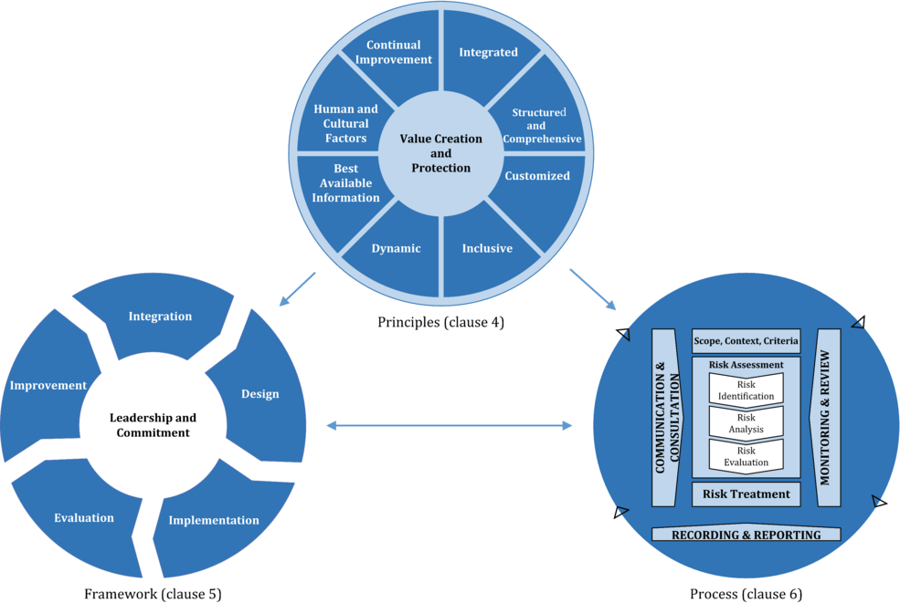
Principles, frameworks and processes of ISO 31000:2018 risk management (Image Source)
These elements help a risk manager apply ISO 31000 in a way that aligns with organisational objectives and decision-making.
8 Core Principles of ISO 31000 Risk Management
.png?width=1920&height=1080&name=Company%20Culture%20Data%20Visualization%20Infographic%20Presentation%20(2).png)
8 core ISO 31000 risk management principles
The ISO 31000 principles define the characteristics of effective and efficient risk management. They explain the purpose and value of risk management and provide the foundation for establishing and operating an organisation’s risk management framework and processes.
When applied consistently, these principles enable organisations to manage the effects of uncertainty on their objectives in a structured and proportionate manner. ISO 31000 encompasses eight core principles for effective risk management:
1. Integrated
Risk management is embedded across all organisational activities and decision-making processes rather than operating as a standalone function.
2. Structured and comprehensive
A structured and comprehensive approach supports consistent, reliable and comparable risk management outcomes.
3. Customised
Risk management frameworks and processes are tailored to the organisation’s internal and external context without compromising core risk management elements.
4. Inclusive
Timely and appropriate stakeholder involvement enables informed decision-making and strengthens risk awareness across the organisation.
5. Dynamic
Risk management anticipates, identifies and responds to changes in the organisation’s environment, objectives and operations.
6. Based on the best available information
Risk decisions are informed by accurate and timely information, including historical data, current insights and future expectations.
7. Consider human and cultural factors
Human behaviour and organisational culture are recognised as critical influences on the effectiveness of risk management.
8. Continual improvement
Risk management is continuously improved through learning, experience and regular review.
4 Components Of The ISO 31000 Risk Management Framework
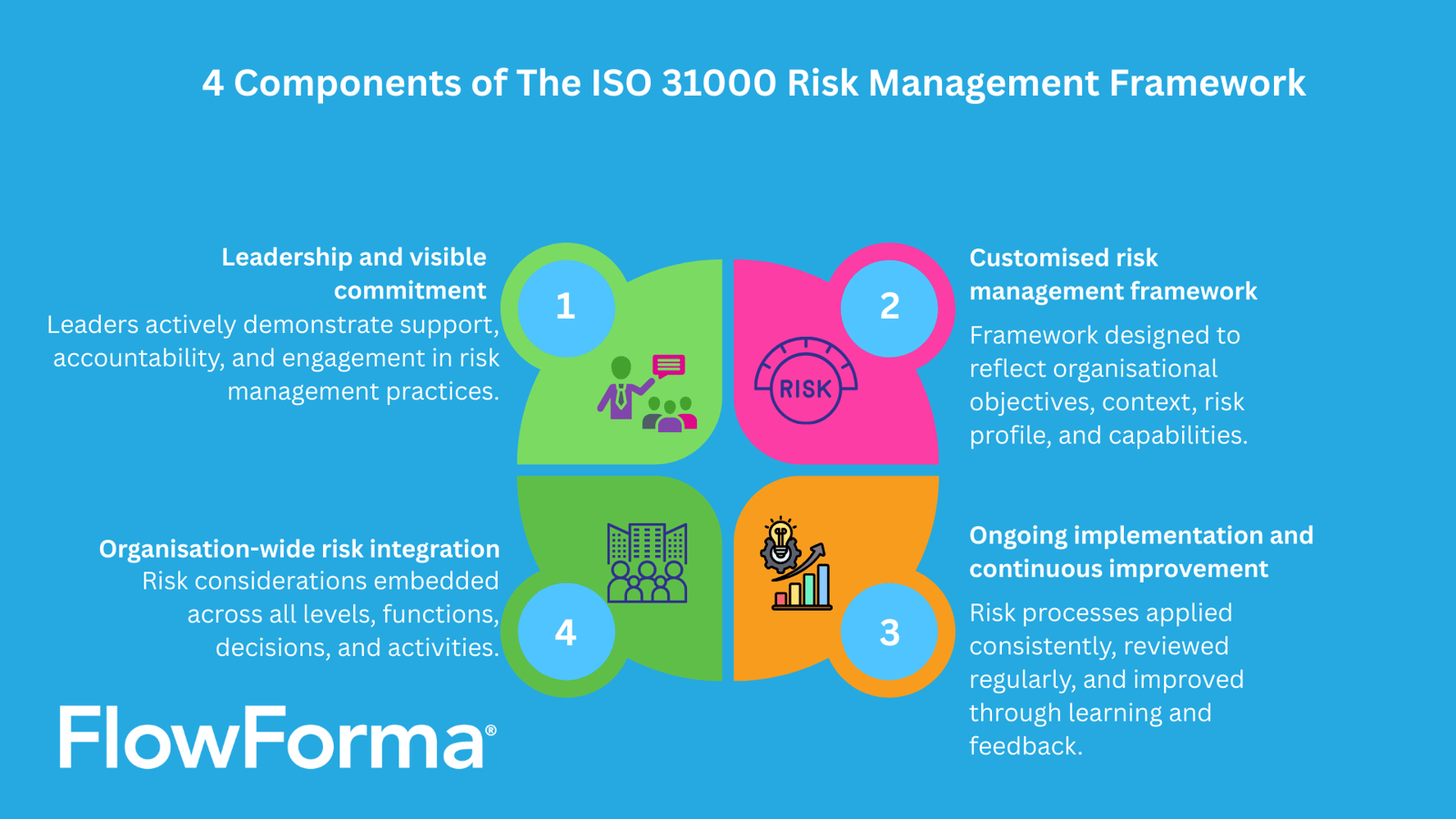 4 components of the ISO 31000 risk management framework
While the principles define what effective risk management should look like, the framework focuses on how those principles are applied in practice. ISO 31000's framework involves leadership, integration, design, implementation, evaluation and improvement. It ensures risk management is not treated as a standalone activity, but as an integral part of governance, strategy and operations, supported by leadership, accountability and continuous improvement.
It is built around several interrelated components that enable consistent and effective risk management.
1. Leadership and Commitment
ISO 31000 emphasises that leadership must actively support and promote risk management as a shared responsibility across all levels of the organisation. It emphasises responsibility for:
- Setting the tone for risk management across the organisation
- Demonstrating visible commitment to risk-informed decision-making
- Ensuring risk management is aligned with organisational objectives and strategy
Without leadership support, risk management tends to remain confined to a single function, such as a risk or compliance team.
2. Integration Across the Organisation
ISO 31000 requires risk management to be integrated into all organisational activities, rather than operating in isolation. This integration includes:
- Strategic planning and objective setting
- Departmental and operational decision-making
- Day-to-day business activities
Every individual within the organisation, from senior management to operational staff, is responsible for managing risk within their role. The risk management function acts as a facilitator, enabling consistency and coordination rather than owning risk outright.
This integrated approach ensures that risks are considered when setting strategy, defining objectives and executing operations, rather than being assessed retrospectively.
3. Design of the Risk Management Framework
While ISO 31000 provides guidance, it recognises that every organisation is unique. The framework must remain comprehensive while being customised to the organisation, without compromising the fundamental elements of risk management.
Key aspects of framework design include:
- Aligning risk management with the organisation’s objectives
- Defining roles, responsibilities and authority levels
- Establishing processes that are structured, systematic and easy to understand
4. Implementation, Evaluation and Improvement
Once designed, the framework must be effectively implemented and continuously assessed. ISO 31000 places strong emphasis on:
- Implementing risk management consistently across the organisation
- Evaluating whether risk management activities are being followed in practice
- Identifying gaps or weaknesses in the framework
Continuous improvement is a core expectation. As organisations change—through growth, regulatory shifts, or strategic adjustments—the risk management framework must evolve accordingly. Monitoring, review and learning are essential to maintaining relevance and effectiveness over time.
Benefits of the ISO 31000 Risk Management Framework
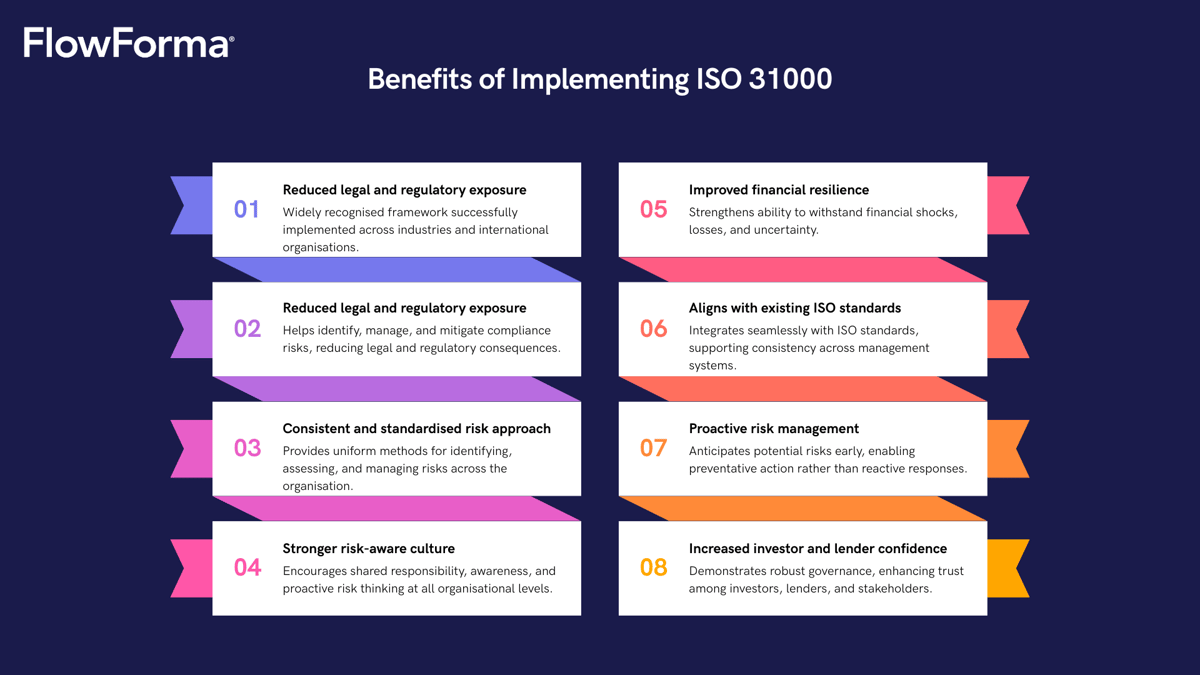
Benefits of the ISO 31000 risk management framework
Adopting the ISO 31000 framework offers a range of strategic, operational and financial benefits. As an internationally recognised standard, it provides organisations with a consistent and proven approach to managing risk across all activities and decision-making levels.
At FlowForma, we sucessfuly completed our own ISO certification and created a podcast to discuss the many tangible business benefits. Check out the podcast recording below to learn more:


Key benefits include:
1. Proven effectiveness
ISO 31000 is widely adopted across industries, demonstrating that the framework is tested, validated and effective in real-world risk management.
2. Reduced legal and regulatory exposure
Systematic identification of key risks helps organisations address compliance gaps early, reducing the likelihood of fines, litigation and regulatory breaches.
3. Standardised risk management approach
ISO 31000 provides a consistent method for identifying risks, defining risk criteria and selecting treatments, improving comparability and reliability across assessments.
4. Stronger risk-aware culture
Embedding ISO 31000 into everyday processes encourages employees to identify and manage risks as part of their roles, rather than treating risk as a separate activity.
5. Increased organisational profitability
By reducing unmanaged or unnecessary risks, organisations limit financial losses from adverse events and protect long-term operational stability.
6. Leverages existing systems and standards
Designed to align with other ISO standards, ISO 31000 builds on existing controls and processes, reducing implementation effort and cost.
7. More proactive risk management
The framework shifts organisations from reactive responses to early risk identification, improving readiness for uncertainty and change.
8. Improved access to funding and investment
A credible, structured risk management approach increases confidence among banks and investors, supporting stronger funding and investment outcomes.
How to Apply ISO 31000 Risk Management Framework: A Step-By-Step Approach
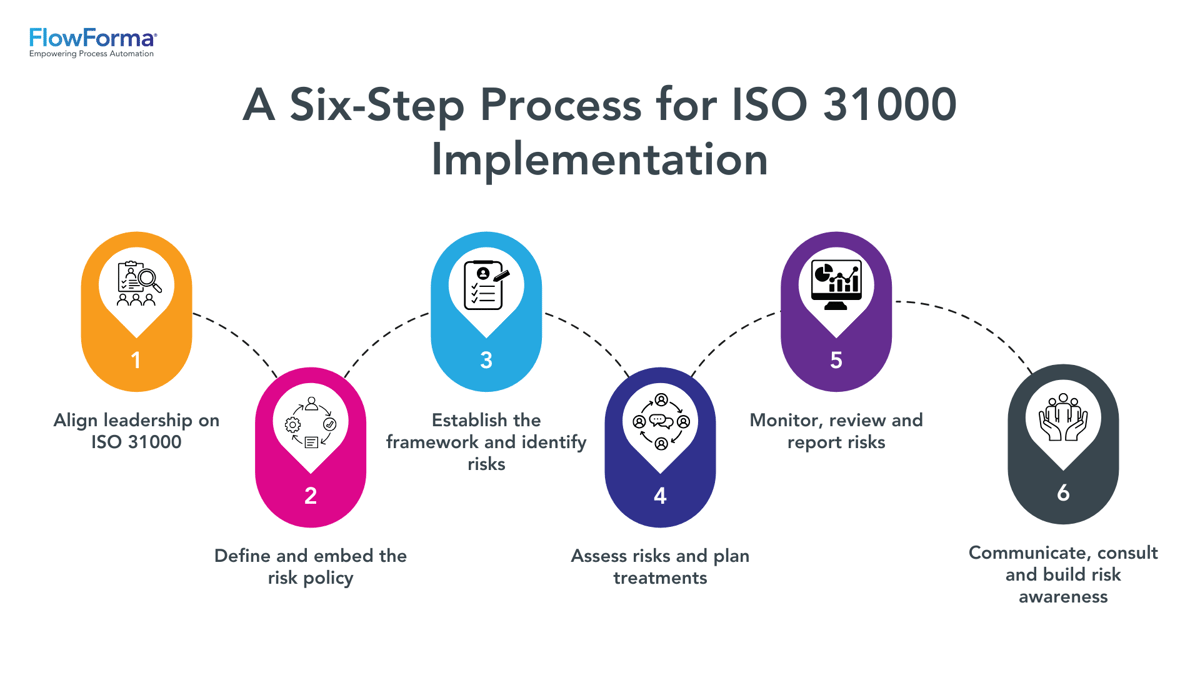
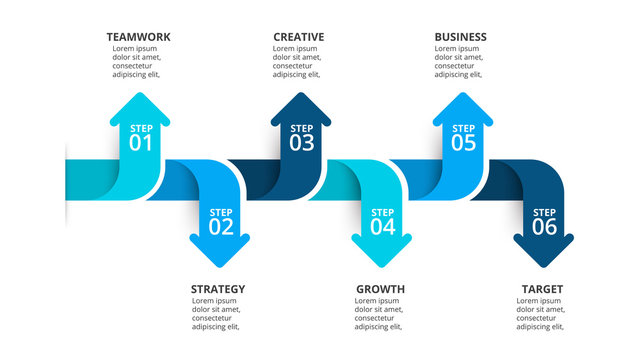
Six-step approach to implementing ISO 31000 risk management framework
Implementing ISO 31000 requires a structured approach that embeds risk management into organisational processes and culture.
Step 1. Understand the ISO 31000 standard and align leadership
Begin by ensuring stakeholders understand the ISO 31000 principles, framework and processes. Leadership commitment is essential to support consistent risk management and embed it across the organisation.
Step 2. Establish and integrate a risk management policy
Define a clear risk management policy that outlines the organisation’s approach to managing risk. Integrate this policy into governance structures and everyday decision-making to ensure risk considerations are applied consistently.
Step 3. Build the risk management framework and identify risks
Establish the necessary structures, processes and resources to support risk management. Identify and document risks in a central register, capturing their potential impact, likelihood and the areas of the organisation they affect.
Step 4. Assess and prioritise risks and define treatment plans
Evaluate risks based on their likelihood and impact to determine priorities. Define appropriate treatment options such as avoidance, reduction, transfer or acceptance, with clear ownership and allocated resources.
Step 5. Monitor and review risks continuously
Monitor risks on an ongoing basis to assess the effectiveness of treatments and detect new or changing risks. Maintain accurate records and reporting to support oversight and informed decision-making by senior management.
Step 6. Communicate and consult with stakeholders
Engage stakeholders throughout the risk management process to ensure transparency and buy-in. Build a strong risk-aware culture through regular communication, training, reviews and audits.
If you’d like to learn more about approaching ISO compliance, this video features Greg Dowell, Finance Director at Great North Wellhead and Frac, as he shares his journey to achieving successful compliance. Greg explains how implementing digital non-conformity processes helped support ISO compliance across his organisation.
Challenges in Implementing ISO 31000 (+ How FlowForma Helps Overcome Them)
|
Challenge
|
How FlowForma solves it
|
|
Risk management is document-driven and disconnected
|
Replaces spreadsheets and emails with structured digital workflows, creating a single, always-current source of truth for risks.
|
|
Inconsistent risk assessments across teams
|
Standardises risk capture with smart forms, validation rules and automated scoring aligned to defined risk criteria.
|
|
Audit processes disconnected from ongoing review
|
Automates ISO audit workflows to enable continuous monitoring, evidence collection and review with full traceability.
|
|
Poor visibility into risk status and ownership
|
Provides real-time dashboards showing open risks, overdue actions and accountable owners, with automated escalations.
|
|
Audit preparation is time-consuming and manual
|
Maintains built-in audit trails and automatically generates risk registers, reports and evidence that remain audit-ready.
|
|
Limited adoption beyond risk or compliance teams
|
Enables business users to manage risk workflows through no-code interfaces while IT retains governance and oversight.
|
Challenges of implementing ISO 31000 risk management + how FlowForma solves them
Implementing ISO 31000 is rarely hindered by intent. The real challenges emerge during execution, when guidance must be applied consistently across teams, systems and day-to-day decisions.
The following challenges reflect where organisations most often struggle and how FlowForma helps address these:
1. Risk management remains document-driven and disconnected
Many organisations rely on static policies, spreadsheets and email-based registers. As a result, risk data becomes outdated, visibility is limited and application varies across departments.
How FlowForma solves this: FlowForma replaces documents with structured digital workflows. Risks are captured, assessed, and tracked in a single system, creating a single source of truth that remains current and accessible.
2. Inconsistent risk assessments across teams
Without standardised inputs and scoring models, different teams assess risks differently. This inconsistency makes prioritisation and escalation difficult.
How FlowForma solves this: Smart forms validation rules and automated scoring logic standardise how risks are assessed. Assessments remain consistent and aligned with the organisation’s defined risk criteria.
3. Audit processes disconnected from ongoing review
ISO 31000 requires risks and controls to be monitored and reviewed continuously. In practice, many organisations still manage ISO audits as periodic exercises using manual checklists, email threads and shared folders. Oversight weakens and audit pressure increases as a result.
How FlowForma solves this: FlowForma supports continual monitoring and review by automating ISO audit management workflows—as shown in the demo below.
Creating an end-to-end ISO audit management workflow using FlowForma AI Copilot
Evidence collection, action tracking and reviews run continuously with full traceability, ensuring audit readiness is maintained rather than rushed.
Our recent webinar detailed the ISO process generation step-by-step in a live demo presented by of our top Solutions Experts, Robert Kane. Check the video out below to see how simple ISO process automation can be with FlowForma Copilot.
4. Poor visibility into risk status and ownership
Risk actions often stall because ownership deadlines and status are unclear. Reporting shifts toward reactive updates rather than proactive oversight.
How FlowForma solves this: Dashboards and workflow tracking provide real-time visibility into open risks, overdue mitigations and accountable owners.
5. Audit preparation is time-consuming and manual
ISO 31000 requires transparency and traceability. When evidence is spread across files and inboxes, audit preparation becomes slow and error-prone.
How FlowForma solves this: Built-in audit trails and automated document generation create defensible records by default. Risk registers, reports and mitigation evidence remain audit-ready.
.png?width=1200&height=675&name=Business%20Competitive%20Analysis%20Infographic%20Presentation%20(1).png)
FlowForma’s compliance module works
6. Limited adoption beyond the risk or compliance team
ISO 31000 encourages inclusive risk management, but complex tools often limit participation to specialists.
How FlowForma solves this: No-code workflows and guided user experiences allow business teams to engage directly with risk processes as part of their daily work.
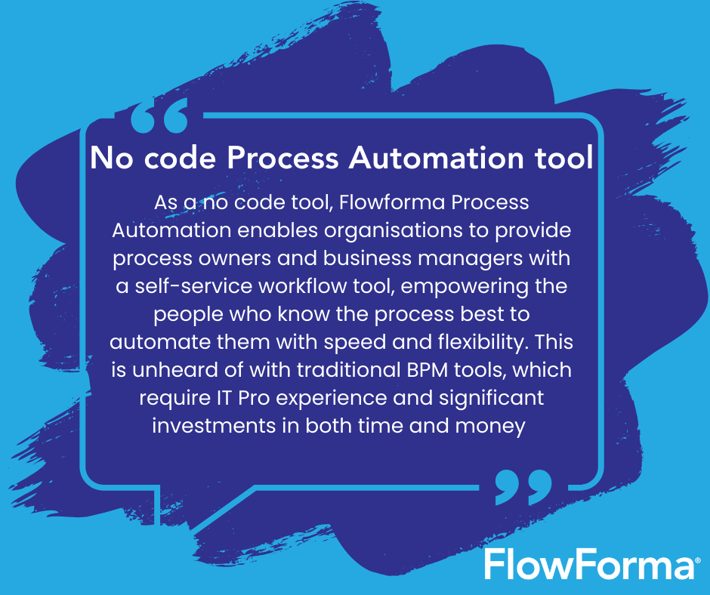
FlowForma is a no-code platform with an easy-to-use interface
All the while, IT retains governance, security controls and oversight across the platform.
Practical Application of ISO 31000 Across Industries
ISO 31000 enables organisations to assess risk in terms of likelihood and impact, which is critical when operational disruption carries measurable financial and service consequences. A sector-specific application ensures risk decisions are informed by real exposure rather than generic assumptions.
Financial and Technology-Driven Environments
In financial services, even short service outages can result in significant losses. According to a KPMG report, a three-day disruption to online banking can cost between £5.5 million and £231 million, while motor insurance service interruptions lasting around 11 days may lead to losses of up to £690,000.
ISO 31000 helps organisations quantify these exposures and prioritise controls where the business impact is greatest.
|
Industry
|
Practical application of ISO 31000
|
|
Financial Services
|
Evaluates credit, market and operational risks consistently, enabling leadership to compare exposure across products, regions and regulatory obligations.
|
|
Information Technology
|
Assesses cybersecurity, system availability and change risks within release cycles and vendor decisions to balance speed with operational stability.
|
ISO 31000 framework applications in financial services and the IT sector
Insurance
In insurance, managing risk is core, not just in underwriting policies but also in operational, compliance, and financial processes. Thse include:
|
Insurance
|
Role of Automation
|
|
Underwriting
|
Automated risk scoring using AI, integrating real-time data from multiple sources to flag high-risk applicants
|
|
Claims Processing
|
Workflow automation for claims approvals with automated alerts for anomalies or high-risk claims
|
|
Regulatory Compliance
|
Digital audit trails, automated compliance checks, and reporting to ensure consistent adherence
|
|
Customer Service
|
Automated task assignment, SLA tracking, and alerts for deviations from standard
|
|
Risk Management
|
Automation in portfolio monitoring, stress testing, and real-time risk dashboards
|
ISO 31000 framework applications in insurance
Health and Public Services
In healthcare and public services, disruption carries both financial and societal impact. The same report states that cyber attacks on hospitals are estimated to cost £11.14 million per incident and occur multiple times each year. While GP practices experience frequent lower-cost incidents that accumulate significant risk exposure.
ISO 31000 supports proactive risk management where service continuity and public trust are critical.
|
Industry
|
Practical application of ISO 31000
|
|
Healthcare
|
Embedded into clinical and operational workflows to reduce patient safety incidents, data privacy exposure and service continuity risks.
|
|
Public Sector
|
Aligns risk assessment with policy execution and service delivery, improving transparency in funding decisions and crisis response.
|
ISO 31000 framework applications in the healthcare and public sector
Production, Retail and Asset-Intensive Operations
For industries dependent on physical assets and supply chains, risk exposure often arises from downtime, safety failures and regulatory disruption.
ISO 31000 helps organisations anticipate these uncertainties and embed risk considerations into operational planning.
|
Industry
|
Practical application of ISO 31000
|
|
Manufacturing
|
Assesses equipment reliability, supplier continuity and quality risks to prevent production delays and margin erosion.
|
|
Construction
|
Identifies schedule, cost and safety risks across project phases, particularly where subcontractor and regulatory dependencies exist.
|
|
Energy and Utilities
|
Integrates risk into asset management and emergency planning to manage reliability, environmental exposure and regulatory obligations under variable conditions.
|
|
Retail
|
Manages demand volatility and supply chain uncertainty by evaluating inventory exposure and customer experience risks ahead of peak trading periods.
|
|
Oil and Gas
|
Evaluates operational, safety and environmental risks across exploration, production and distribution to support compliance, incident prevention and business continuity.
|
ISO 31000 framework applications in production, retail and other asset-intensive sectors
Digitising ISO 31000 Risk Management With FlowForma
FlowForma turns ISO 31000 principles into structured, auditable digital processes that business users can follow under IT governance, scalable across the organisation. Here’s how the platform’s features support ISO 31000 implementation and management:
1. Standardise ISO 31000 risk processes without spreadsheets or email
FlowForma enables organisations to standardise ISO 31000 risk processes without relying on spreadsheets or email.
No-code workflows apply the framework consistently, reflecting defined risk appetite thresholds and governance models while maintaining flexibility without inconsistency.
2. Accelerate ISO 31000 execution with AI-powered risk automation
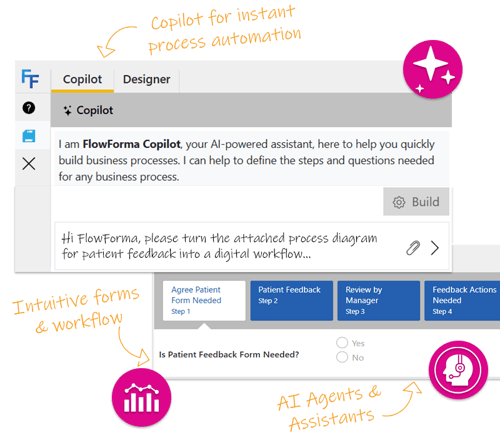
FlowForma’s AI Suite homepage
FlowForma’s AI capabilities accelerate ISO 31000 execution without weakening governance.
- FlowForma Copilot: Builds or updates risk workflows using natural language to reduce setup and change effort
- AI Summarisation: Provides concise summaries of prior risk assessments and decisions for reviewers
FlowForma process Discovery Agent
- Smart Assistants: Guide users during risk submission and help builders configure workflows accurately
- AI Agent Rule: Performs step-level intelligence, such as document review, data extraction and anomaly checks
- AI Insights & Analytics: Converts structured risk data into real-time dashboards for trend and performance tracking
These features reduce manual effort while improving context consistency and decision quality.
3. Manage the entire ISO 31000 risk lifecycle in one structured system
FlowForma covers all stages of ISO 31000, from context and risk identification to assessment, treatment and review.
Automated scoring, tracked actions and dashboards ensure consistent, accountable and defensible risk management.
4. Maintain audit-ready governance with business-led execution
Within Microsoft 365, FlowForma provides ISO 31000-aligned governance through audit trails, role-based controls and centralised visibility.
Business users manage risk workflows directly while IT retains oversight, enabling faster adoption without loss of control.
In this video, I discuss the importance of process automation in ensuring data accuracy and consistency, and how this ultimately supports compliance across all frameworks.
How to standardise processes for better data
5. Improved risk data quality and reporting with smart forms and document generation
To support ISO 31000 execution, FlowForma combines smart forms with automated document generation. Risk capture is guided by validation rules and conditional logic, while documents such as risk registers, mitigation plans and audit evidence are generated automatically, traceable and aligned to workflows.
Embedding ISO 31000-Aligned Risk Management with FlowForma
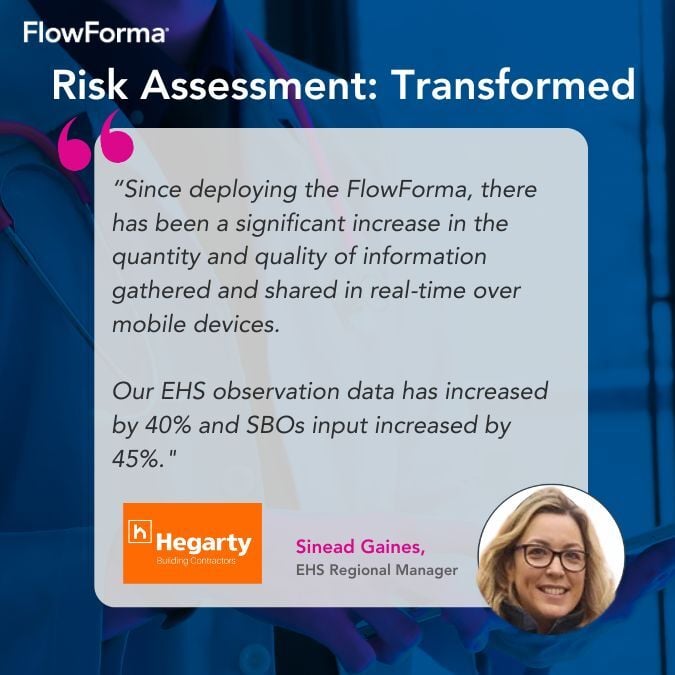
What users say about FlowForma
ISO 31000 gives organisations a clear, standardised approach to managing risk. It improves decision-making, strengthens resilience and helps address compliance pressure. But these benefits are only realised when risk management is embedded into everyday processes, not managed through isolated policies or periodic reviews.
FlowForma enables organisations to apply ISO 31000 in practice. By automating risk workflows and embedding governance into operational processes, risk management becomes consistent, auditable and part of how work gets done across the organisation.
Explore FlowForma’s solutions to operationalise ISO 31000 with a 7-day free trial.
FAQs
1. How does ISO 31000 improve business resilience?
ISO 31000 helps organisations identify, assess and respond to risks in a structured way. By embedding risk awareness into planning and operations teams can anticipate disruption, adapt faster and reduce the impact of unexpected events.
2. What is the difference between ISO 31000 and COSO ERM?
COSO ERM is US-developed and structured, widely used in North American finance and governance. ISO 31000 is global, principles-based and flexible, adapting across industries, organisations and government.
3. Which industries benefit most from implementing ISO 31000?
Industries with regulatory pressure, operational complexity or safety exposure benefit most. This includes construction, healthcare, financial services, energy, manufacturing and the public sector, where consistent risk oversight supports compliance, continuity and accountability.
4. How can ISO 31000 enhance decision-making processes?
ISO 31000 improves decision-making by providing a consistent framework to evaluate uncertainty trade-offs and potential outcomes. Leaders gain clearer visibility into risks, enabling more informed prioritisation, resource allocation and strategic choices.
5. What are the practical steps to implement ISO 31000 in an organisation?
Start by defining context, risk appetite and ownership. Establish consistent risk identification, assessment and treatment processes. Embed monitoring and review into daily operations and support execution with structured workflows, reporting and governance controls.
.png?width=175&height=42&name=logo_20(1).png "FlowForma Process Automation")




.png)